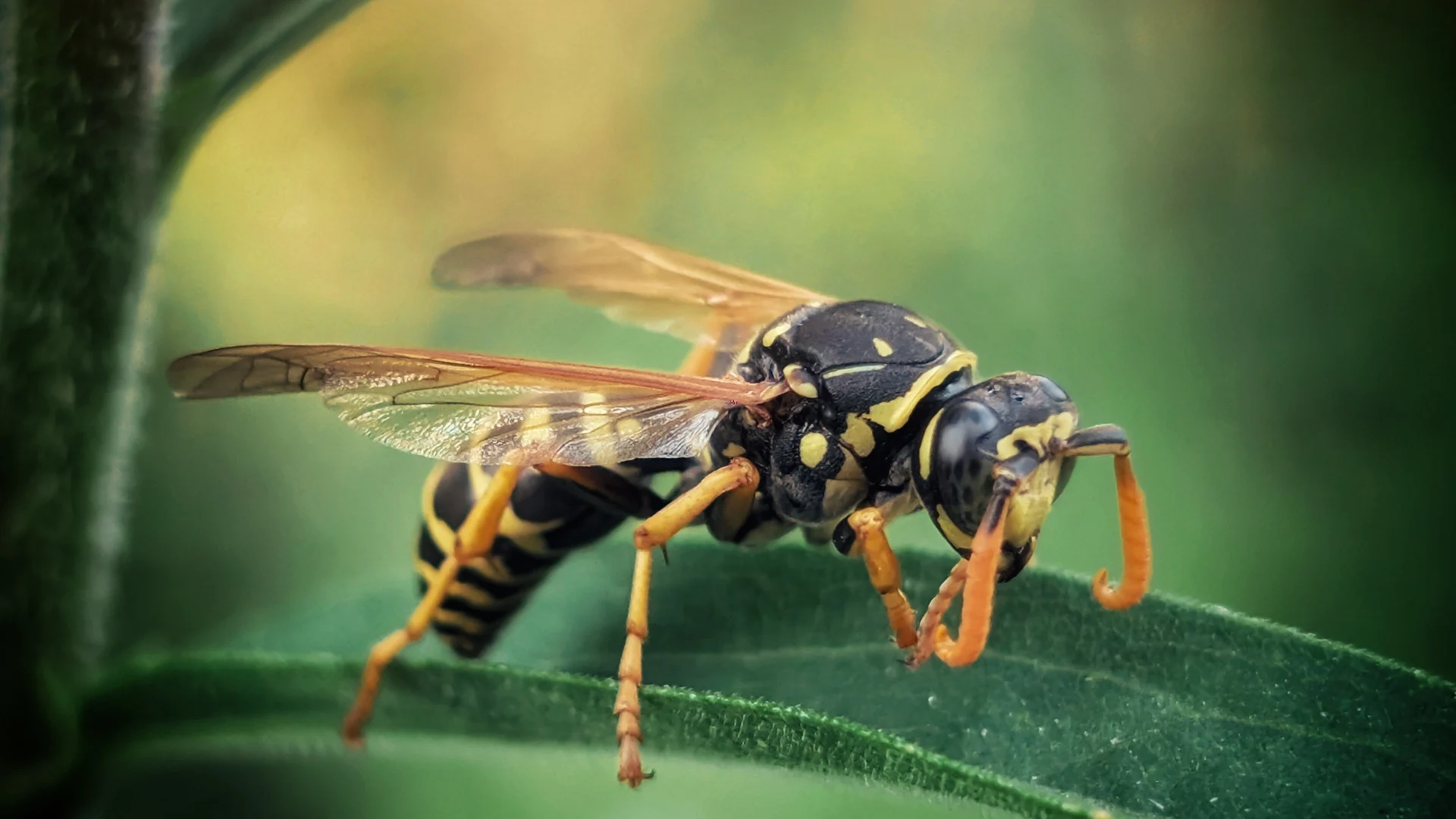
Wasp
Scientific Name: Vespula germanica
Length: 2.5 – 3.5 cm
Colour: Varies
How to Get Rid of Wasps
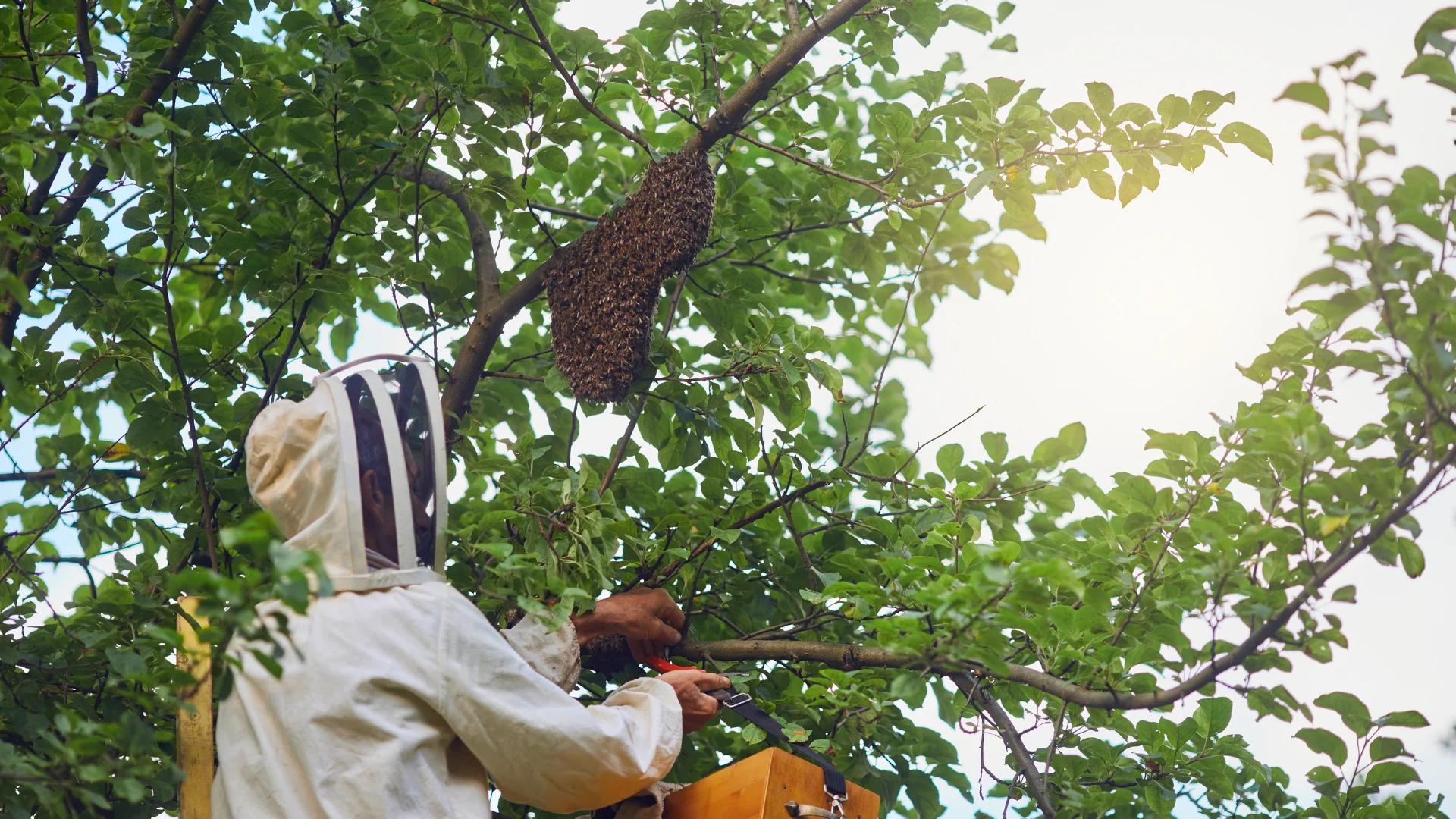
To bring a pest issue under control, inspection remains the first and most important step. A detailed inspection helps identify where wasps are nesting and determines the safest and most effective method for treatment.
Wasp Pest Control
A wasp is any insect belonging to the order Hymenoptera and suborder Apocrita, which also includes ants and bees. Unlike bees, wasps can sting multiple times, and their stings are significantly more painful. The most recognizable species include yellow jackets and hornets, both known for their aggressive defence of nests.
Wasps help control insect populations by hunting other insects. However, if they build nests near homes, they can become a serious danger. Their stings can trigger allergic reactions and cause severe discomfort, which is why professional control is the safest option for removal.
There are several ways to eliminate wasps. While home remedies might seem tempting, they usually provide only short-term relief. The most reliable solution involves expert intervention that ensures the complete destruction of the nest and colony.
If you’re facing a wasp problem, it’s best not to delay; contact our certified pest control professionals for safe and eco-friendly service across Canada.
Common Wasp Nesting Areas
- Attics and roof corners
- Trees, bushes, or hollow logs
- Under decks, porches, and inside wall gaps
How to Spot Them: Check shaded or enclosed spaces such as attics, rooflines, or trees. Watch for consistent wasp movement in and out of a single location, a sign of a nearby nest.
Damage & Hazards:
- Painful stings that can occur multiple times
- Potential for allergic or severe skin reactions
- Aggressive behaviour when nests are disturbed
How to Remove Wasps
For complete and lasting results, a combination of eco-friendly chemical treatments and treatment is used by Green Pest’s certified experts. Each treatment is customized to the infestation level and location.
Treatment Duration:
- Scheduled weekly, biweekly, or monthly based on the size and severity of the infestation.
Inspection & Monitoring:
- An annual follow-up inspection after eradication ensures nests do not reappear.
Why Choose Green Pest Control
Choosing us means working with a team that values both results and responsibility. We understand urgency; that’s why we offer same-day or next-day visits for infestations that can’t wait.
Here’s what makes our rodent control service stand out:
- We prioritize products and methods that minimize environmental impact while remaining highly effective.
- Our services are fairly priced, offering strong value without taking shortcuts on quality.
- Each member of our team is experienced in wasps biology and modern control techniques.
- We use unmarked vehicles and maintain full confidentiality for your privacy.
- Our work includes follow-up support to ensure your satisfaction and peace of mind.
- We don’t stop at removal; we make sure wasps stay out for good.
We focus on safety, and real outcomes, no unnecessary chemicals, no half measures, just lasting protection.
Stay safe and protect your home. Book a professional wasp inspection today and enjoy a secure, sting-free environment.
Faq’s
How does green wasp control work?
It eliminates wasps using eco-friendly treatments and nest removal. Technicians locate nests, apply targeted products, and stop colony activity safely.
Is eco-friendly wasp treatment effective?
Yes, green wasp control is highly effective. It targets nests directly while reducing chemical exposure around your home.
Is green wasp treatment safe for children and pets?
Yes, it’s designed to be safer for families. Products are applied to nests and entry points, not broadcast across living spaces.
Where do wasps usually build nests?
Wasps nest in sheltered exterior areas. Common locations include eaves, soffits, decks, trees, and wall voids.
How long does wasp nest removal take?
Most nest removals take under an hour. Larger or hard-to-reach nests may require additional time.
Is it dangerous to remove a wasp nest yourself?
Yes, DIY removal can be dangerous. Wasps become aggressive when disturbed and may sting repeatedly.
When is wasp activity highest?
Wasp activity peaks in late summer. Colonies are larger, more defensive, and more visible around homes.
Will wasps return after treatment?
They can return if new nests form. Regular inspections help catch early activity before colonies grow.
Do I need to leave during wasp treatment?
Usually, you can remain indoors. Technicians treat exterior nest areas and advise if distance is needed.
What attracts wasps to my property?
Food, garbage, and sweet drinks attract wasps. Open bins and outdoor eating areas often increase activity.