
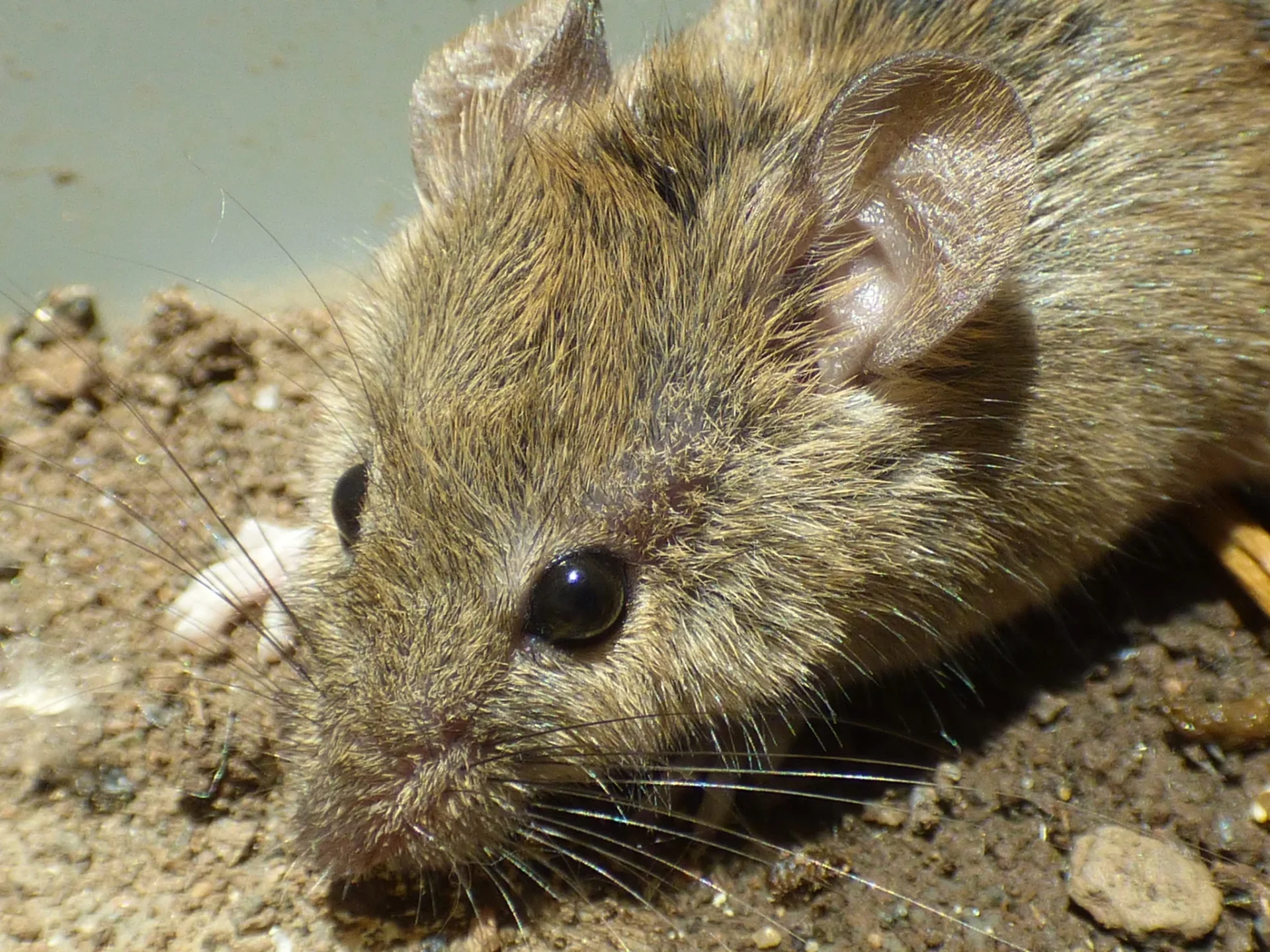
A self-storage unit feels secure — locked, dry and undisturbed. To a mouse, that is the point: months of quiet shelter with cardboard, upholstery and stored belongings to nest in. Storage facilities in Saskatoon, Regina and across Saskatchewan fight the same reality every winter: mice enter through the small gaps every roll-up door and unit divider has, and one unit’s problem travels quietly to the units beside it. Renters usually discover it the worst way — opening the door after six months to droppings and chewed belongings.
How Mice Get Into Storage Units
A mouse needs a gap of only about 6 millimetres — the size of a dime. Storage units offer plenty: the corners and bottom seals of roll-up doors, gaps between unit dividers, roof and eave openings, and the spaces around utility runs. Mice also arrive inside the belongings themselves — a box or piece of furniture stored from a garage or acreage can carry them in. Once established in one unit, wall and ceiling spaces let them move along a whole row.
Warning Signs in a Storage Facility
- Droppings along door lines, unit corners and on stored items
- Chewed cardboard, fabric, upholstery or stored paperwork
- Nesting material in boxes, furniture or stored linens
- Grease marks around door corners and divider gaps
- Renters reporting damage when they open their units
- Scratching sounds reported by staff in quiet rows
What Is at Stake
For renters, it is irreplaceable belongings — furniture, mattresses, documents, keepsakes — damaged in a place they paid to keep them safe. For facility operators, mouse damage means claims, refunds, bad reviews and empty units, and a problem in one unit threatens every renter on the row. Because units sit unopened for months, an infestation has time to grow and spread long before anyone sees it, which makes facility-level monitoring the only real defence.
How Green Pest Control Handles Mice in Self-Storage Facilities
We inspect the facility the way mice use it: door seals and divider gaps first, then the rows, corners and utility runs where mice travel and nest. Treatment combines exclusion advice (sealing the entry points), trapping and tamper-resistant monitoring placed in common areas and service spaces, and a monitoring record the operator can keep. Placement is always done with renter access and safety in mind. Because mice breed quickly and a large facility can hide a population, multiple treatments may be needed depending on infestation level. See our mice control page for the complete service.
Prevention Tips for Operators and Renters
- Maintain door seals and sweeps on every unit, and check corners
- Never store food, pet food, birdseed or scented items
- Renters: use sealed plastic bins instead of cardboard where possible
- Keep the site clean — no debris or stored material against buildings
- Keep grass and weeds trimmed along building walls
- Check your unit every month or two; early signs protect your belongings
Mice in storage are a quiet problem with expensive consequences, discovered months too late. If your facility is getting damage reports — or you want monitoring in place before winter — the entry points and the rows need a proper inspection.
Talk to Green Pest Control
Green Pest Control INC. provides eco-friendly pest control in Saskatoon, Regina and across Saskatchewan. If you are dealing with this problem at your facility, call us at (306) 716-6900 or visit greenpest.ca — we will find the source and deal with it properly.