
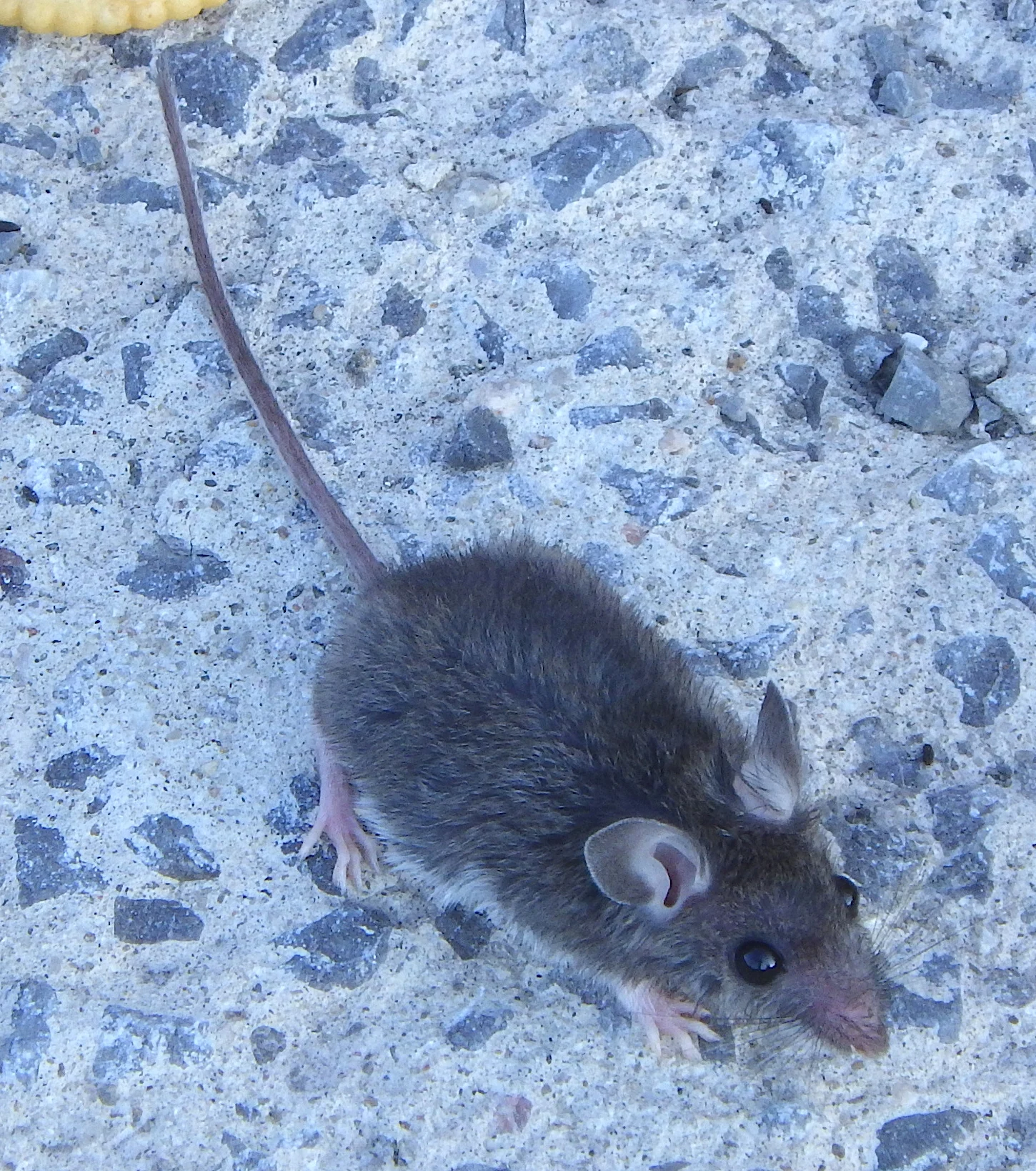
A mouse in a restaurant is never just a mouse. One sighting in a dining room can undo years of reputation in a single evening, and droppings found in a dry-storage area during a health inspection can mean failed checks, required corrections, and real trouble for your business. Restaurants in Saskatoon and Regina fight this battle every winter: as the temperature drops across Saskatchewan, mice move indoors looking for warmth, water and food — and a commercial kitchen offers all three, around the clock.
Why Restaurants Are Prime Targets for Mice
Mice follow their noses. A restaurant produces a constant supply of what they need: food deliveries arriving daily, dry goods in storage, grease and crumbs under equipment, water at sinks and dish pits, and warmth from ovens, dishwashers and refrigeration motors. Loading doors open and close all day, utility lines run through walls, and most kitchens have more small gaps than anyone realizes. A mouse can squeeze through an opening the size of a dime — about 6 millimetres — so a worn door sweep or an unsealed pipe penetration is an open invitation.
Warning Signs of Mice in a Restaurant
- Droppings along walls, in dry storage, or under shelving and equipment
- Gnawed food packaging, bags or boxes in storage areas
- Grease marks (rub marks) along baseboards and around holes
- Nesting material — shredded paper or cardboard — behind equipment
- Scratching sounds in walls or ceilings after closing
- A stale, musty smell in enclosed storage spaces
What Is at Stake
Mouse droppings and urine contaminate food and food-contact surfaces, and mice carry bacteria such as salmonella wherever they travel. Saskatchewan health inspectors take rodent evidence seriously — droppings in food areas are exactly the kind of finding that fails inspections and can force corrective action on a deadline. Add the risk of a customer or staff member seeing a mouse, and the cost of doing nothing is far higher than the cost of dealing with it properly.
How Green Pest Control Handles Mice in Restaurants
We start by finding how the mice are getting in and where they are living — the entry points and harbourages — because treating without finding the source never holds. Our technicians inspect the building the way an inspector would: door sweeps, delivery entrances, utility penetrations, storage rooms and the spaces behind kitchen equipment. We then combine exclusion (sealing entry points), trapping and monitoring placed with food safety in mind, and clear recommendations for storage and sanitation habits that remove what attracts mice in the first place. Because mice breed quickly and one pregnant mouse can restart the problem, multiple treatments may be needed depending on infestation level. Our full service is described on our mice control page.
Prevention Tips for Restaurant Operators
- Store dry goods in sealed, hard containers — never in open bags or cardboard on the floor
- Keep storage off the floor and away from walls so inspection is easy
- Fit and maintain door sweeps on delivery and back doors
- Seal gaps around pipes, drains and utility lines
- Clean grease and food debris from under equipment on a schedule
- Check every delivery for droppings or gnawing before shelving it
Mice move in fast once the cold sets in. If your staff are finding droppings or signs of gnawing, the sooner the source is found, the simpler — and cheaper — the problem is to solve, and the safer your next inspection will be.
Talk to Green Pest Control
Green Pest Control INC. provides eco-friendly pest control in Saskatoon, Regina and across Saskatchewan. If you are dealing with this problem in your facility, call us at (306) 716-6900 or visit greenpest.ca — we will find the source and deal with it properly.