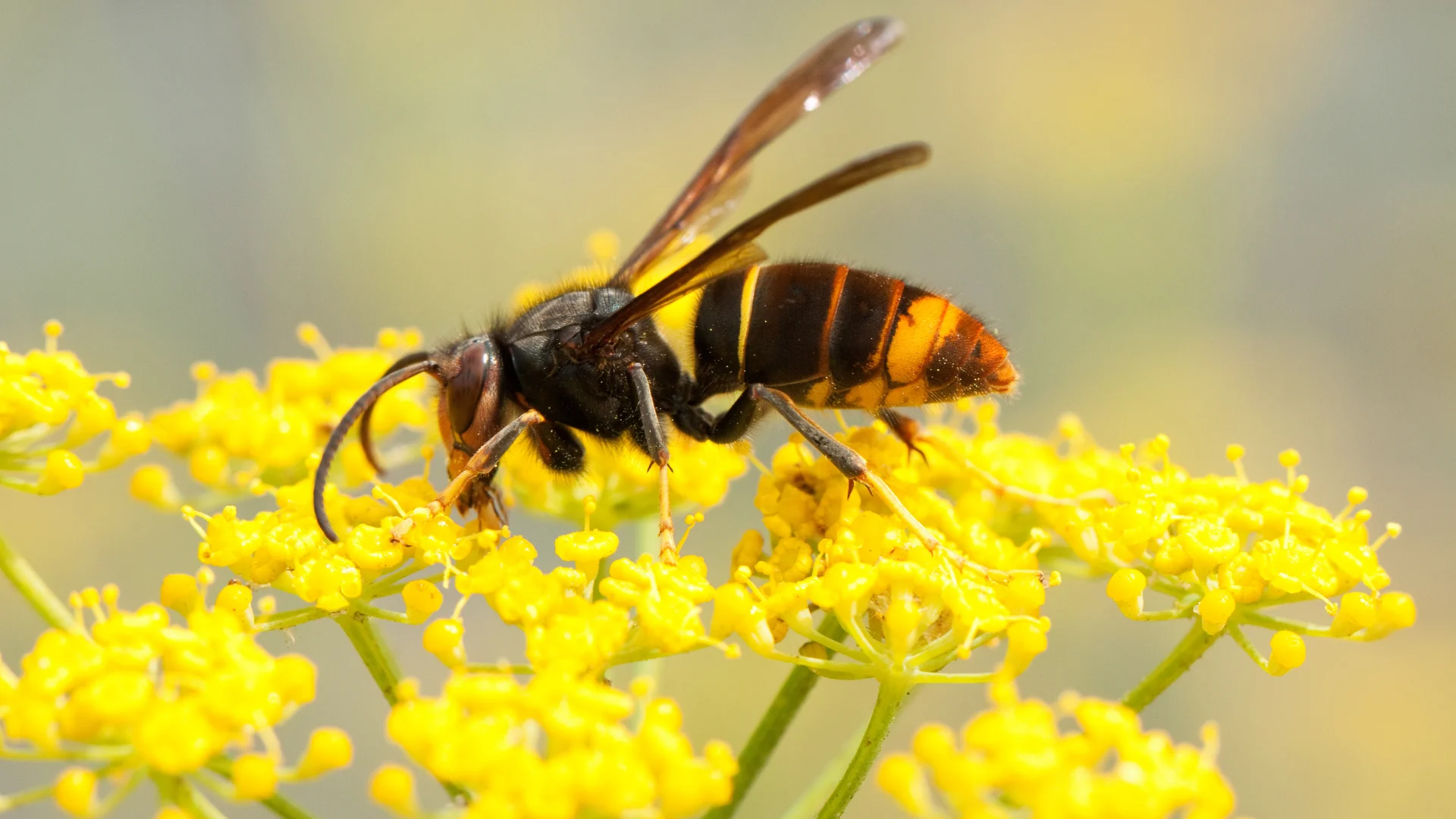
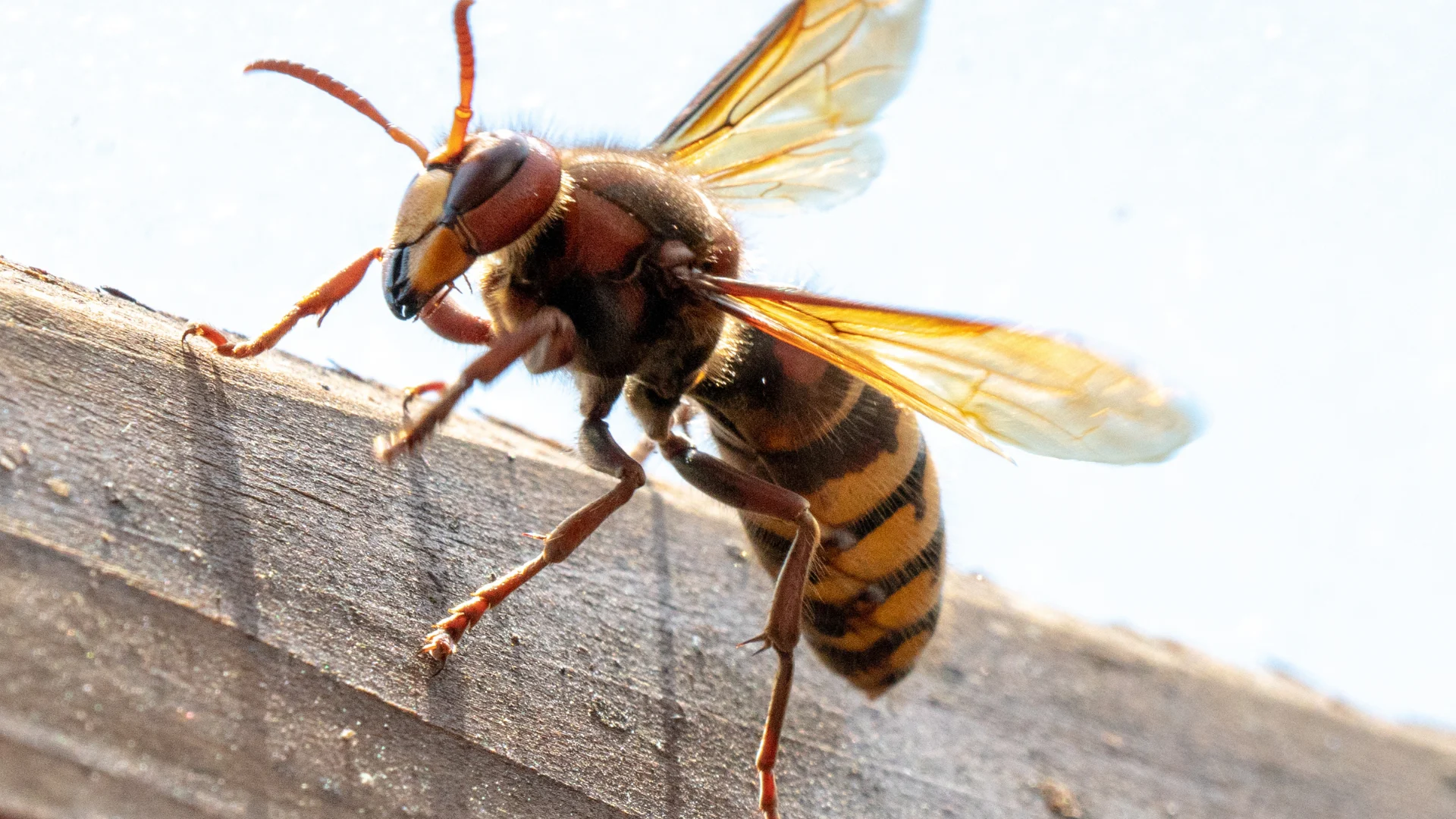
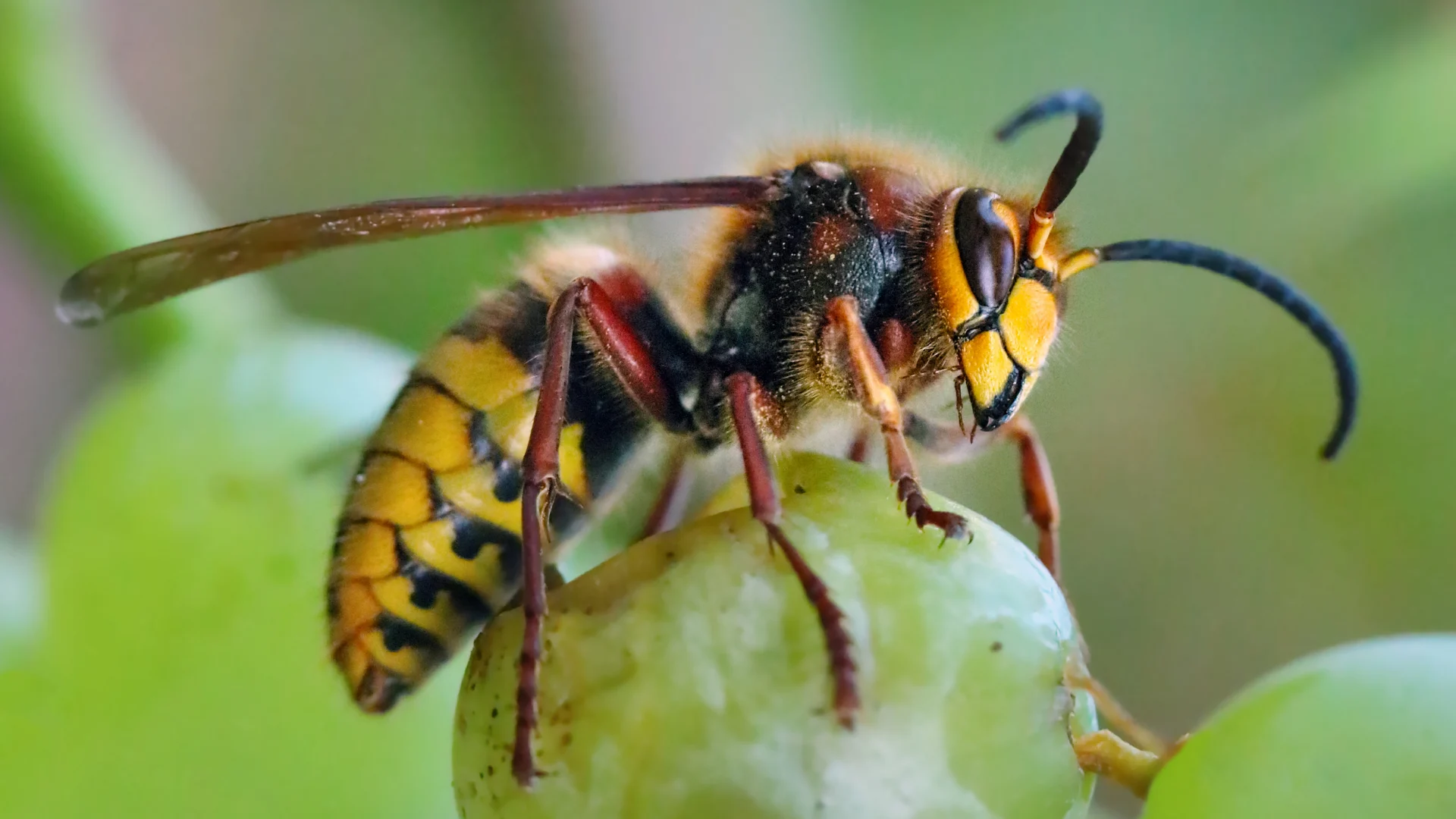
Hornets are among the most aggressive and potentially dangerous pests found around homes and commercial properties. Unlike common wasps, hornets are larger, more territorial, and capable of delivering painful stings. Their presence can pose risks to both humans and pets, making effective control essential. Understanding hornet behavior, detecting infestations early, and implementing professional control measures are crucial for safety and peace of mind.
Understanding Hornets
Hornets are a type of insect and are closely related to wasps. They are typically 2–4 cm in length and have distinctive yellow, brown, or black markings. Hornets are social insects that live in colonies and often nest in trees, shrubs, attics, or wall cavities. A single nest can house hundreds of hornets, growing in size over the summer months.
Hornets are predatory by nature, feeding on insects like flies, caterpillars, and other pests, which can be beneficial for natural pest control. However, they are highly protective of their nests and can sting repeatedly if they feel threatened. Their stings inject venom that can cause severe pain, swelling, and in rare cases, allergic reactions.
These pests prefer sheltered, elevated locations for their nests and are particularly active during warm months. Their activity peaks during late summer when colonies are fully developed, and food demand is high.
Signs of Hornet Infestation
Identifying a hornet infestation early is critical for safety and effective treatment. Common indicators include:
- Large, papery nests attached to trees, roof eaves, or wall cavities.
- Frequent sightings of hornets around gardens, doors, or outdoor seating areas.
- Aggressive behavior near nests, particularly if approached or disturbed.
- Visible damage to wooden structures where hornets have hollowed cavities.
Professional inspections can detect hidden nests, including those in attics, wall voids, or dense foliage, reducing the risk of accidental stings.
Effective Hornet Control
Hornets are persistent pests that require careful handling. DIY methods often provide temporary relief but may provoke aggressive defensive behavior, increasing the risk of stings. Professional hornet control combines safety, precision, and long-term prevention strategies.
Environmental and Preventive Measures
Reducing attractants is the first step in prevention. Hornets are drawn to sweet foods, garbage, and pet food, so maintaining cleanliness around outdoor areas is important. Remove fallen fruits, seal trash bins, and avoid leaving sugary drinks or food uncovered.
Regularly inspect property for signs of nest-building in trees, shrubs, eaves, and roof spaces. Seal cracks, gaps, and wall cavities to limit nesting opportunities. Avoid disturbing existing nests, as hornets become highly aggressive when threatened.
Professional Inspection and Monitoring
Hornets are skilled at hiding nests in hard-to-reach places. Professional specialist conduct thorough inspections to locate nests and assess colony size. Monitoring helps determine the level of infestation and identify the most effective treatment approach.
Specialized equipment, such as infrared cameras or telescopic inspection tools, allows specialist to detect nests in concealed areas safely. This ensures the treatment plan targets the source rather than just visible hornets.
Treatment Options
Professional hornet control focuses on safely eliminating the colony while preventing future infestations. Standard treatment methods include:
- Insecticidal Dust and Sprays: Applied directly to the nest entrance and surrounding areas, targeting hornets and reducing immediate threats.
- Nest Removal: Carefully removing nests after treating them ensures that all hornets are eradicated. Protective equipment and safety protocols are essential.
- Baiting Systems: In some cases, baited traps attract hornets away from residential areas, particularly during peak activity periods.
Eco-friendly options are available for households concerned about chemical exposure. These may include targeted traps, physical nest removal, or natural deterrents that repel hornets.
Prevention and Long-Term Protection
Long-term prevention is crucial to avoid repeated infestations. Homeowners and businesses can implement the following measures:
- Maintain clean outdoor areas free from food waste and fallen fruit.
- Inspect gardens, roof eaves, and wall cavities for early signs of nest building.
- Seal gaps, cracks, and crevices in the property structure.
- Install insect screens on windows and vents to limit entry points.
- Consult professionals for annual inspections, especially if hornets have been present previously.
Why Professional Hornet Control Matters
Hornet infestations are not only difficult to manage but also potentially dangerous. Professional services provide expertise, safe handling, and long-term solutions.
Specialist use specialized tools and protective gear to remove nests safely, preventing stings and minimizing risk. They also assess environmental factors that may attract hornets and provide guidance on preventive measures.
By combining inspection, treatment, and monitoring, professional control ensures that hornet populations are eliminated without compromising safety.
Benefits of Professional Hornet Services
- Comprehensive removal: Eliminates colonies from hidden and exposed areas.
- Safety: Reduces risk of stings and allergic reactions.
- Preventive advice: Guidance on environmental modifications and nest prevention.
- Peace of mind: Protects property, family, and pets from aggressive hornets.
How We Eliminate and Prevent
At Green Pest Control, we use an integrated pest management approach, balancing safety, science, and sustainability. Our goal is not only to eliminate existing hornet but to prevent them from returning.
- Detailed Inspection
- Eco-Friendly Treatment
- 100% Elimination
Why Choose Green Pest Control
Choosing us means working with a team that values both results and responsibility. We understand urgency; that’s why we offer same-day or next-day visits for infestations that can’t wait.
Here’s what makes our rodent control service stand out:
- We prioritize products and methods that minimize environmental impact while remaining highly effective.
- Our services are fairly priced, offering strong value without taking shortcuts on quality.
- Each member of our team is experienced in hornet biology and modern control techniques.
- We use unmarked vehicles and maintain full confidentiality for your privacy.
- Our work includes follow-up support to ensure your satisfaction and peace of mind.
- We don’t stop at removal; we make sure hornet stay out for good.
We focus on safety, and real outcomes, no unnecessary chemicals, no half measures, just lasting protection.
Conclusion
Hornets are formidable pests that pose risks to both safety and property. Their aggressive behavior, painful stings, and rapid colony growth require early detection and professional intervention.
Implementing environmental control measures, monitoring for nests, and using targeted treatments ensures effective hornet management. Eco-friendly and chemical-based methods offer solutions suitable for residential and commercial properties.
Professional hornet control services provide the expertise, tools, and safety protocols necessary to eliminate infestations while preventing future occurrences. By taking different steps, you can protect your home, garden, and workplace from the threats posed by hornets.
Don’t wait until hornets become a hazard, inspect, prevent, and treat early to maintain a safe and comfortable environment for everyone.
Faq’s
How do I know if I have a hornet nest on my property?
You will see large, aggressive wasps flying in a direct line toward a papery, football-shaped nest hanging from trees or eaves.
Are hornets more dangerous than regular wasps?
Yes, hornets are larger and more aggressive, often stinging multiple times to defend their colony if they feel threatened.
Where do hornets typically build their nests?
They prefer high, sheltered spots like tree branches, thick shrubs, roof eaves, and sometimes inside attics or wall voids.
What should I do if I find a hornet nest?
Keep your distance and avoid making sudden movements or loud noises near the nest until a professional can remove it.
Can I remove a hornet nest myself using store-bought spray?
DIY removal is extremely risky as retail sprays often fail to penetrate the thick nest layers, triggering a mass attack.
How does professional hornet removal work?
Technicians use specialized protective gear and targeted treatments to safely neutralize the colony and remove the physical nest structure.
What types of hornets are common in Canada?
The Bald-faced hornet is the most common species, easily identified by its black body and white markings on its face.
Is the hornet treatment safe for my kids and pets?
Yes, licensed professionals apply treatments directly to the nest site, ensuring the safety of your family and pets during the process.
How long does it take to get rid of a hornet colony?
Most treatments work almost immediately, with the nest usually becoming inactive and safe for removal within 24 hours.
How can I prevent hornets from nesting on my house?
Seal gaps in your siding or soffits and keep your property free of fallen fruit or open garbage that attracts foragers.