
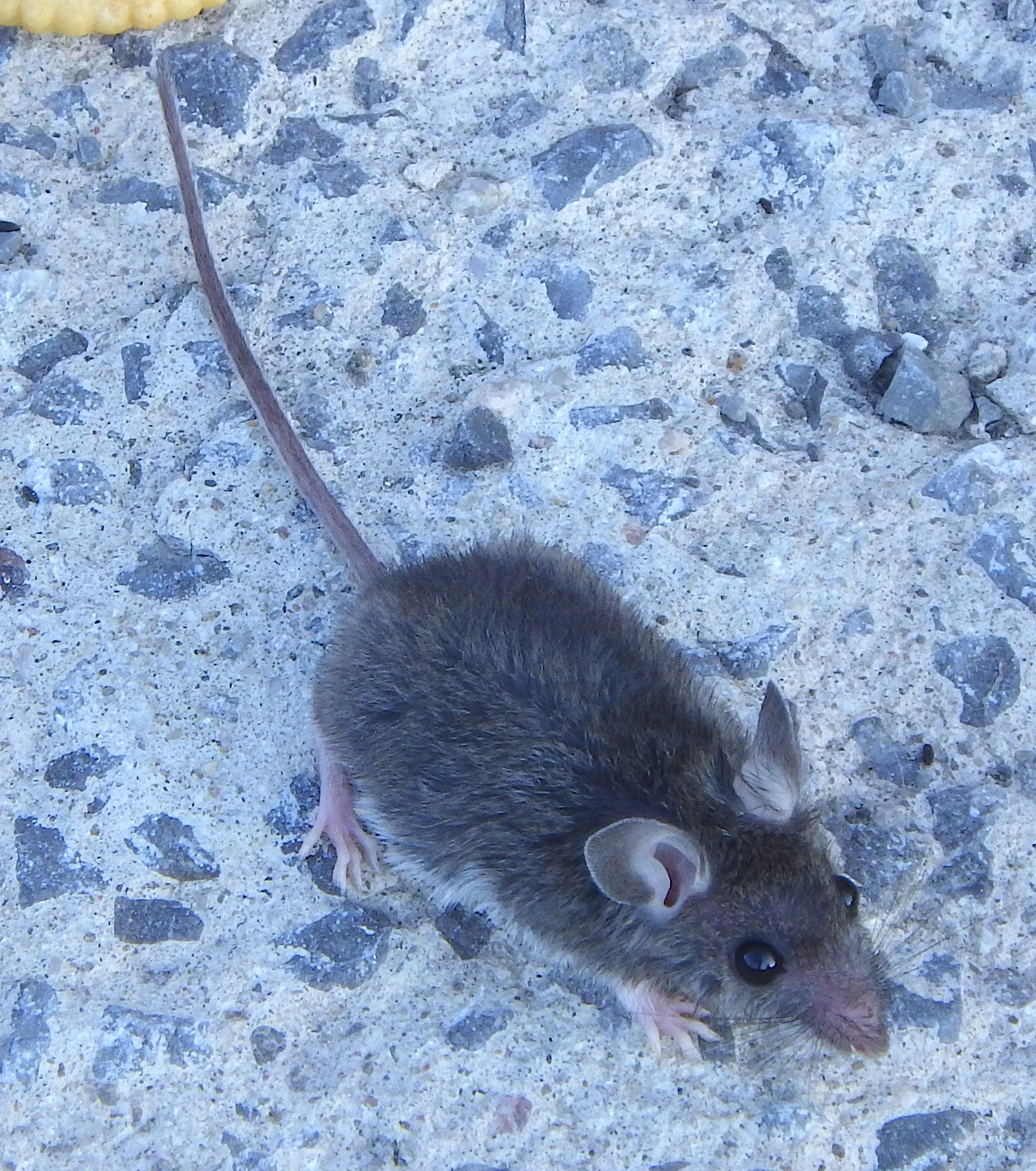
Warehouses are built for storage, and unfortunately that makes them ideal mouse habitat: endless shelving to hide in, cardboard and packaging to nest in, quiet corners nobody visits for weeks, and loading docks that open to the outside all day. Across Saskatoon, Regina and Saskatchewan, warehouse mice contaminate stock, chew packaging, and create audit and customer problems that cost far more than the treatment ever would. Winter makes it worse — when the cold sets in, mice move into heated storage buildings and settle in for the season.
Why Warehouses Attract Mice
A mouse needs food, water and undisturbed shelter. Warehouses provide shelter in abundance — pallet racking, shrink-wrapped stock, insulation and stored materials — and most also offer food, whether that is stored product, staff lunch areas, or spilled goods swept into corners. Dock doors rarely seal perfectly, and a mouse only needs a gap the size of a dime (about 6 millimetres) to get in. Once inside, a warehouse gives mice room to breed out of sight, which is why infestations are often well established before anyone notices.
Warning Signs of Mice in a Warehouse
- Droppings along walls, on shelving, or inside stored product
- Chewed packaging, bags, boxes or pallet wrap
- Nests of shredded cardboard, paper or insulation in quiet corners
- Grease marks along beams, pipes and baseboards
- Damaged or contaminated stock found during picking or audits
- Musty odour in enclosed storage rooms
What Is at Stake
Contaminated stock usually cannot be sold — it is written off. Droppings and urine on product bound for food, retail or industrial customers can fail audits, trigger rejected shipments, and damage the customer relationships your operation depends on. For facilities storing food products or serving mining and industrial camps, documented pest management is often part of the compliance picture. Our industrial pest control page covers facility programs in more detail.
How Green Pest Control Handles Mice in Warehouses
Warehouse mouse control starts with the building, not the traps. We inspect dock doors, seals, utility penetrations and the building envelope to find the entry points, then map the harbourages — the quiet zones where mice are actually living. From there we combine exclusion recommendations, trapping and monitoring stations placed along the walls and runs mice actually travel, and a monitoring record so you can see activity trending down. Because a large facility can hide a lot of mice, multiple treatments may be needed depending on infestation level. For day-to-day control across your whole property, see our mice control page.
Prevention Tips for Warehouse Operators
- Keep pallets and stock off walls so inspection lanes stay open
- Maintain dock door seals and fit brush strips where gaps remain
- Seal holes around pipes, conduit and vents
- Remove spilled product and food waste promptly, especially near staff areas
- Rotate stock so quiet corners get disturbed and inspected
- Keep exterior vegetation and stored materials away from the building walls
A warehouse infestation grows quietly. Catching it at the droppings stage is a small job; catching it at the contaminated-shipment stage is not. If your team is seeing signs, act while the problem is still small.
Talk to Green Pest Control
Green Pest Control INC. provides eco-friendly pest control in Saskatoon, Regina and across Saskatchewan. If you are dealing with this problem in your facility, call us at (306) 716-6900 or visit greenpest.ca — we will find the source and deal with it properly.